Persaud Lab
Southern Louisiana Micro-Seismicity (SOLAMS)
The SOLAMS group installed 378 “nodes” in Southern Louisiana during the weekend of October 15-16, 2022. In the following week, the group completed the installation with 432 nodes in the ground. Nodes are modern geophysical instruments capable of measuring ground motions that are too small to be felt. The recordings will be used to better understand features below the Earth's surface, and the influence of faults on subsidence and groundwater flow in the region. The SOLAMS project consists of 5 arrays of nodes installed in the Baton Rouge and Mamou areas. It is a true experiment because we have not collected data at this large scale (and with so many instruments) in this region before. Maps with our stations are shown at the bottom of this page.
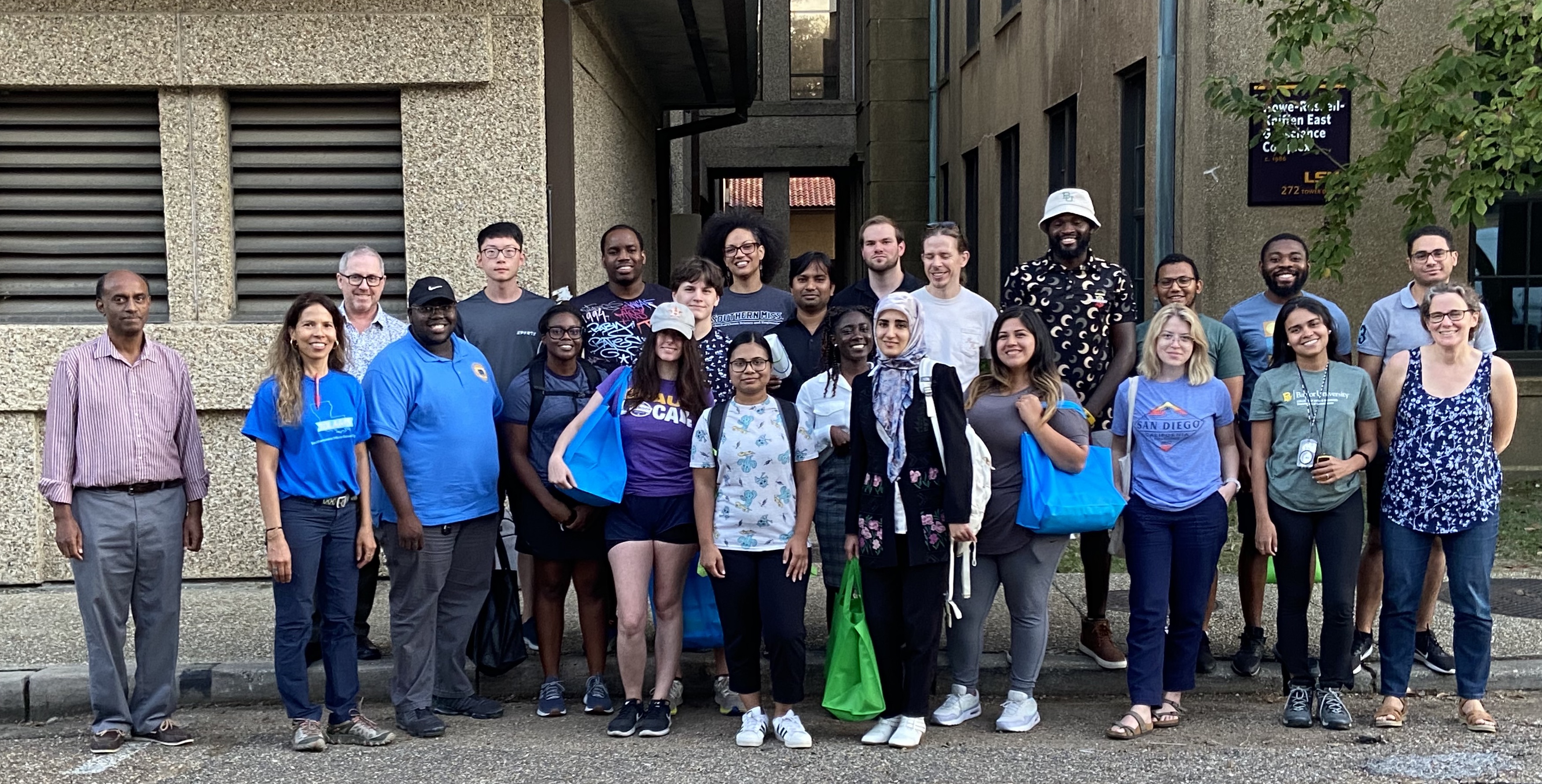
FIG. 1 The SOLAMS installation team outside the Geoscience Complex at LSU. Photo taken: Friday, Oct 14, 2022.
Twenty-seven volunteers from Southern University Baton Rouge, Baylor University, University of Louisiana at Lafayette, University of Southern Mississippi, LSU, and the Louisiana Department of Natural Resources have setup the largest array to date in this area.
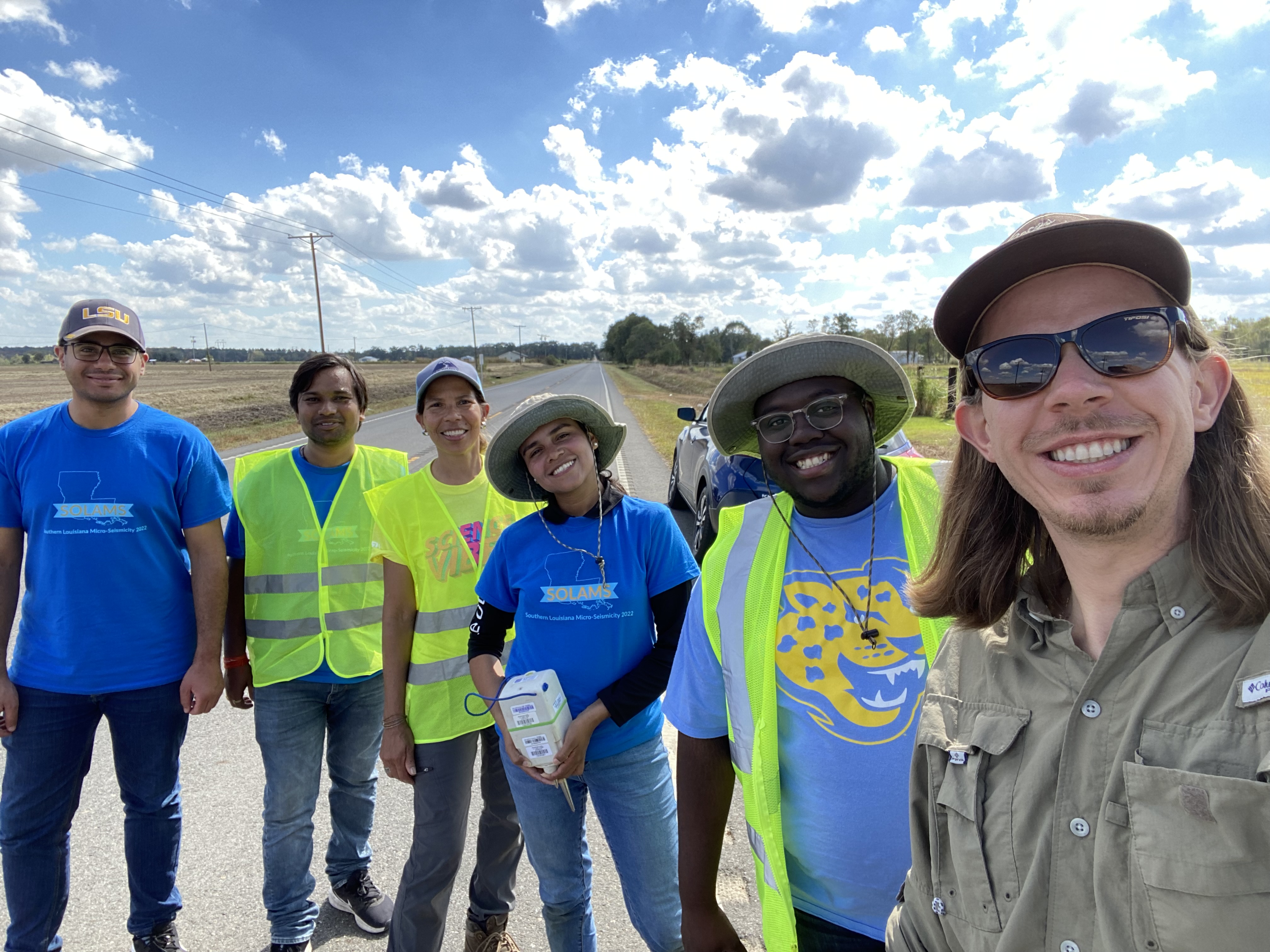
FIG. 2 Michael, Sachin, Patricia, Sandra, Hunter and Ben deploying stations on Line 2 near Mamou, Louisiana.
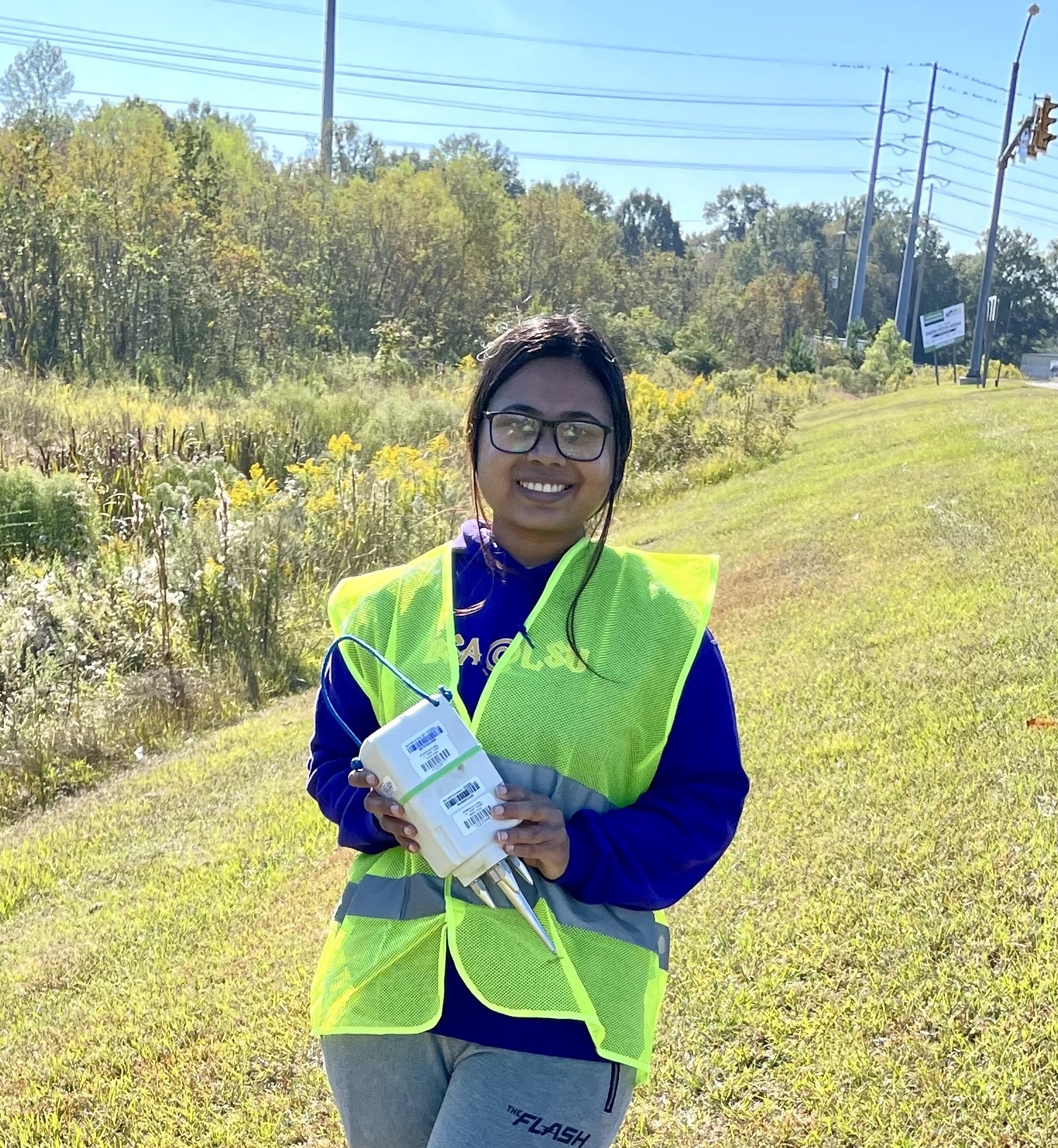
FIG. 3 Ritu installing a node in Baton Rouge.
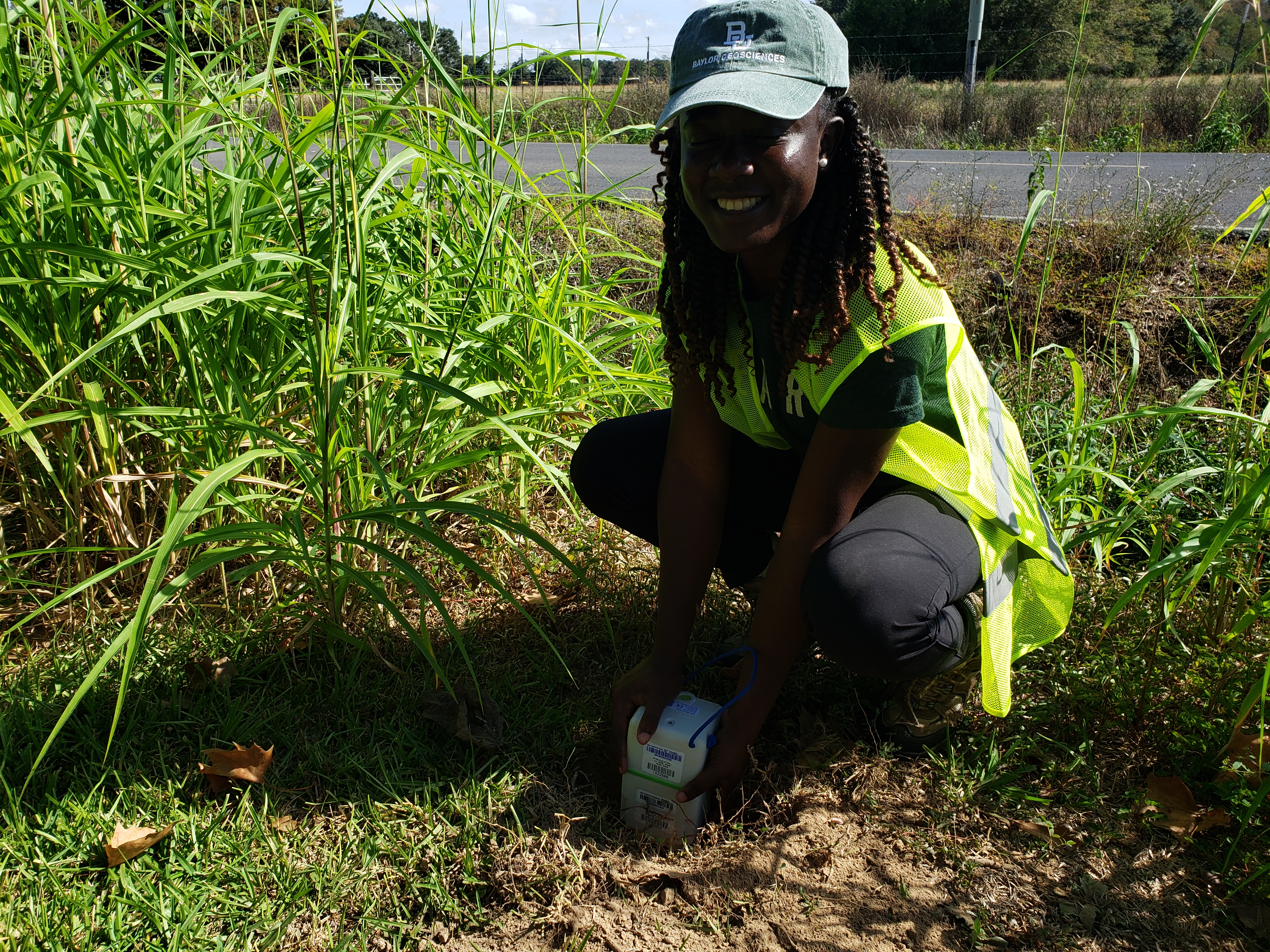
FIG. 4 Aicha installing a node at the side of the road in Mamou.
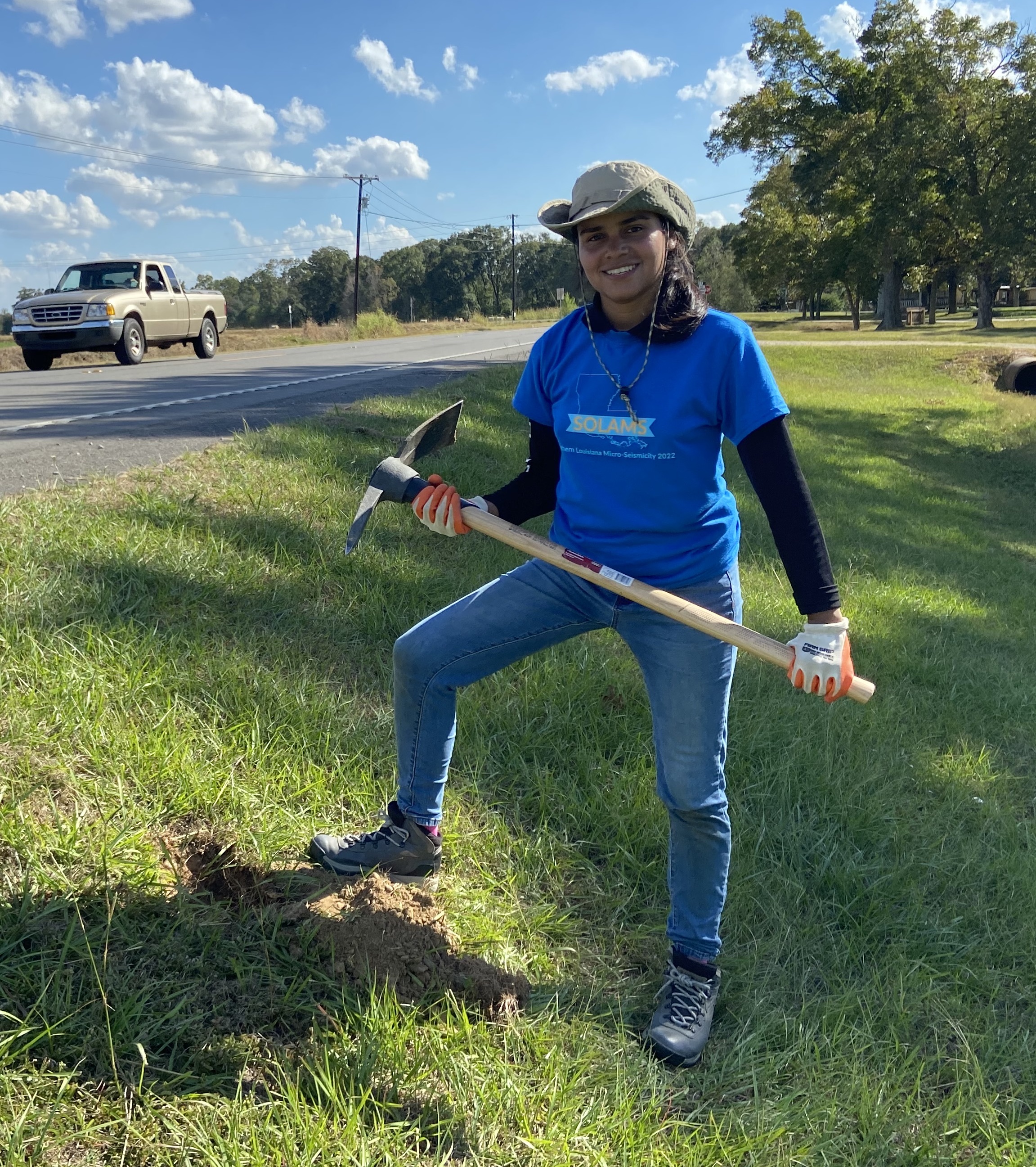
FIG. 6 Sandra installing station 268 in Mamou.
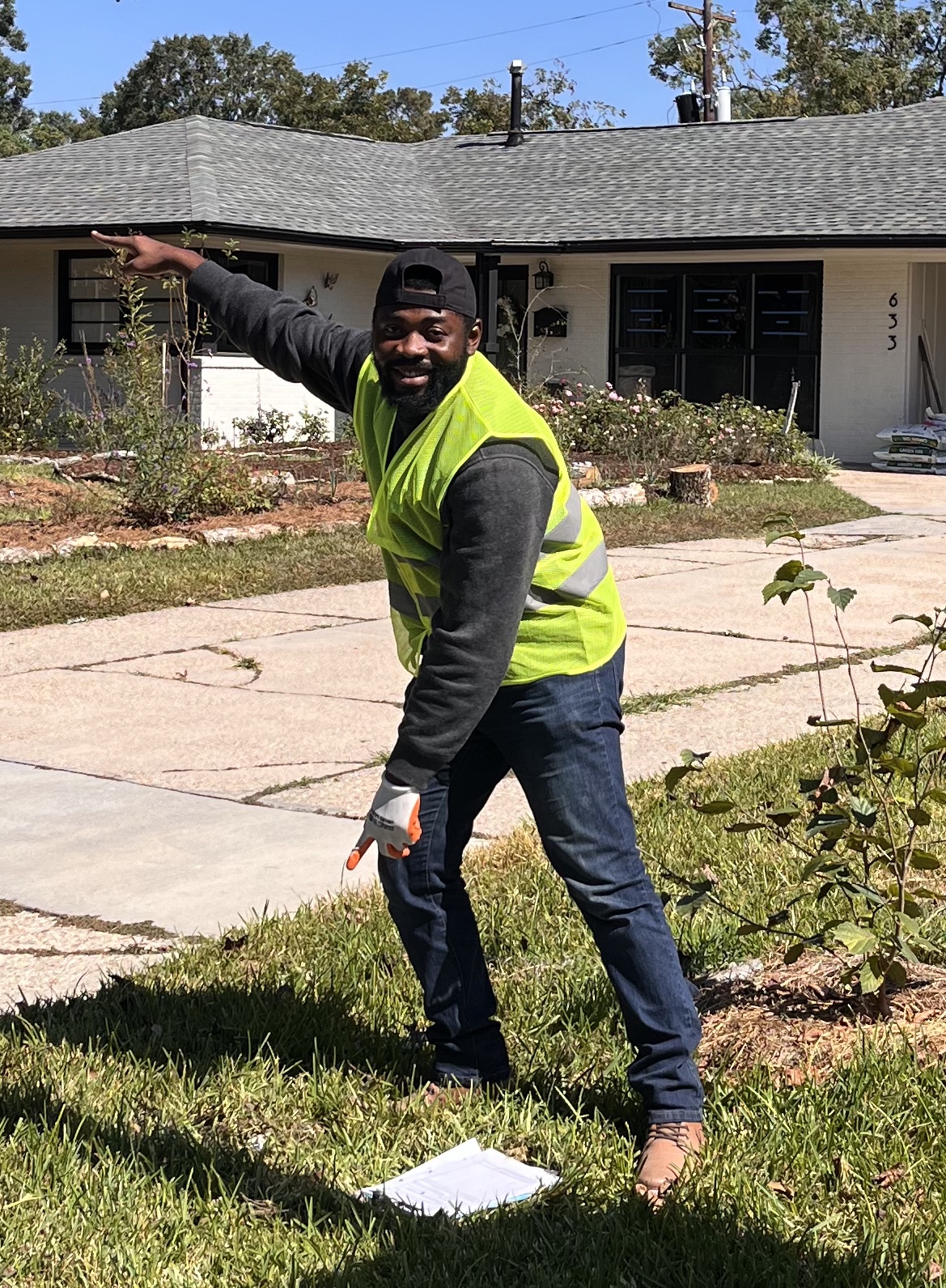
FIG. 7 Kwabena helping Delton in Baton Rouge.
How big is the SOLAMS array? - Read about a similar project that we did in Southern California "Urban Seismology in Megacities", which was completed in four deployments over three years, and the largest single deployment was 260 nodes.
Link to our other ISLA project in Louisiana: ISLA - Seismic Monitoring in Louisiana, which had 10 broadband stations.
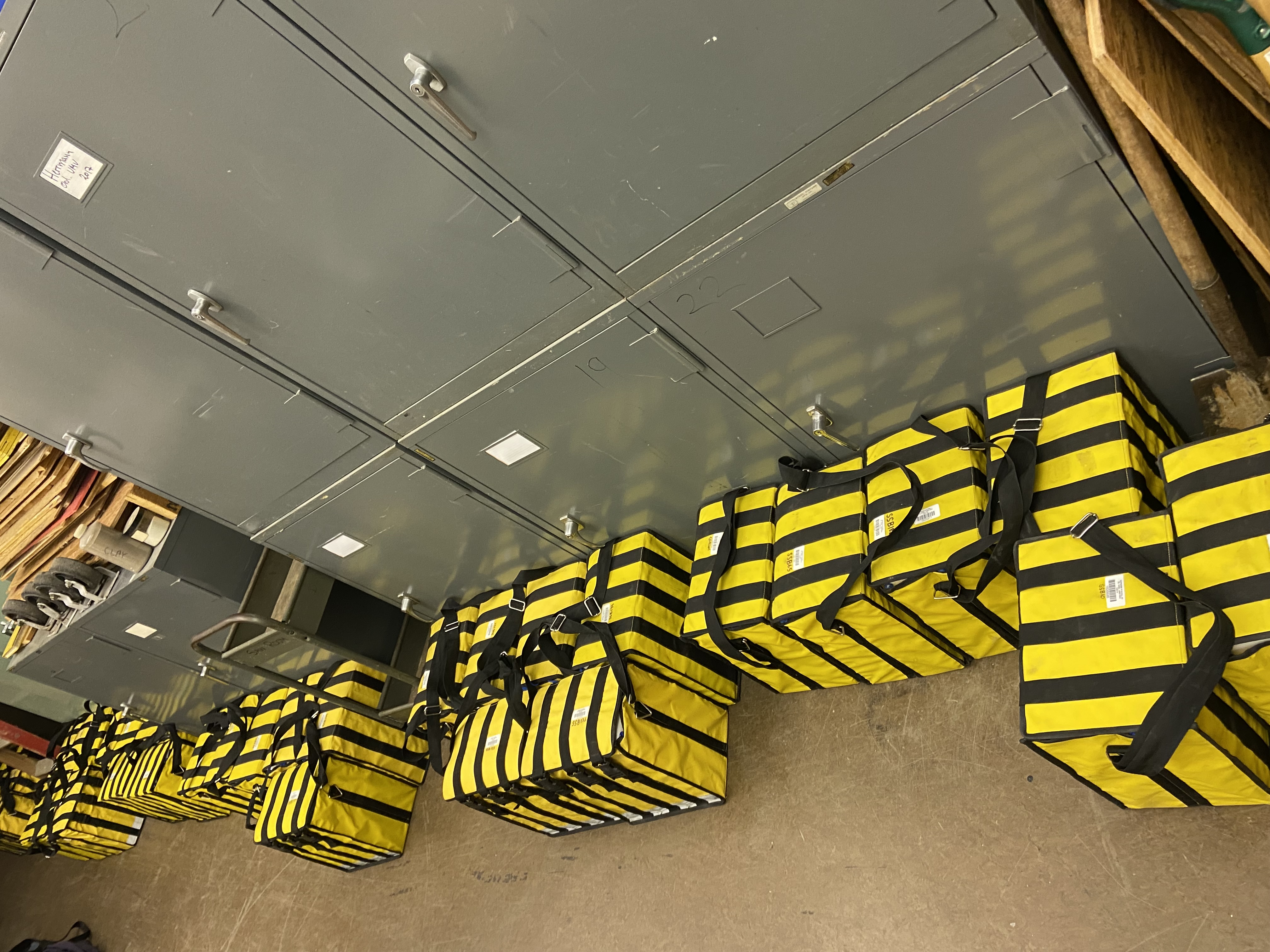
FIG. 10 Node bags ready for deployment.
Aicha Coulibaly, Baylor
Ashley Thrower, LSU*
Ben Sadler, Baylor
Betina Brockamp, USM
Bradley Adams, LSU*
Delton Samuel, LSU*
Eric Ferre, ULL*
Hunter Shepard, Southern Univ.*
Joses Omojola, LSU
Justin Kain, LA DNR
Karen Luttrell, LSU*
Kwabena Poku-Agyemang, LSU*
Luis Munoz Santos, Baylor
Mahshid Fahandezhsadi, LSU*
Michael Attia, LSU
Nicole Craig
Nnamdi Ajah, Baylor
Patricia Persaud, LSU*
Raphael Gottardi, ULL*
Rezene Mahatsente, ULL
Ritu Ghose, LSU*
Sachin Kumar, Baylor
Samantha Rios, ULL*
Sandra Rosero Rueda, Baylor
Sarah Lester, LSU*
Seija Meaux, LSU*
Shuo Yang, LSU*
*also part of Demobilization Team
Our instruments will be retrived roughly one month after they were installed.
Description of the National Science Foundation CAREER project "CAREER: Fluid-driven Deformation in Underground Salt Caverns and Wastewater Injection Sites project".
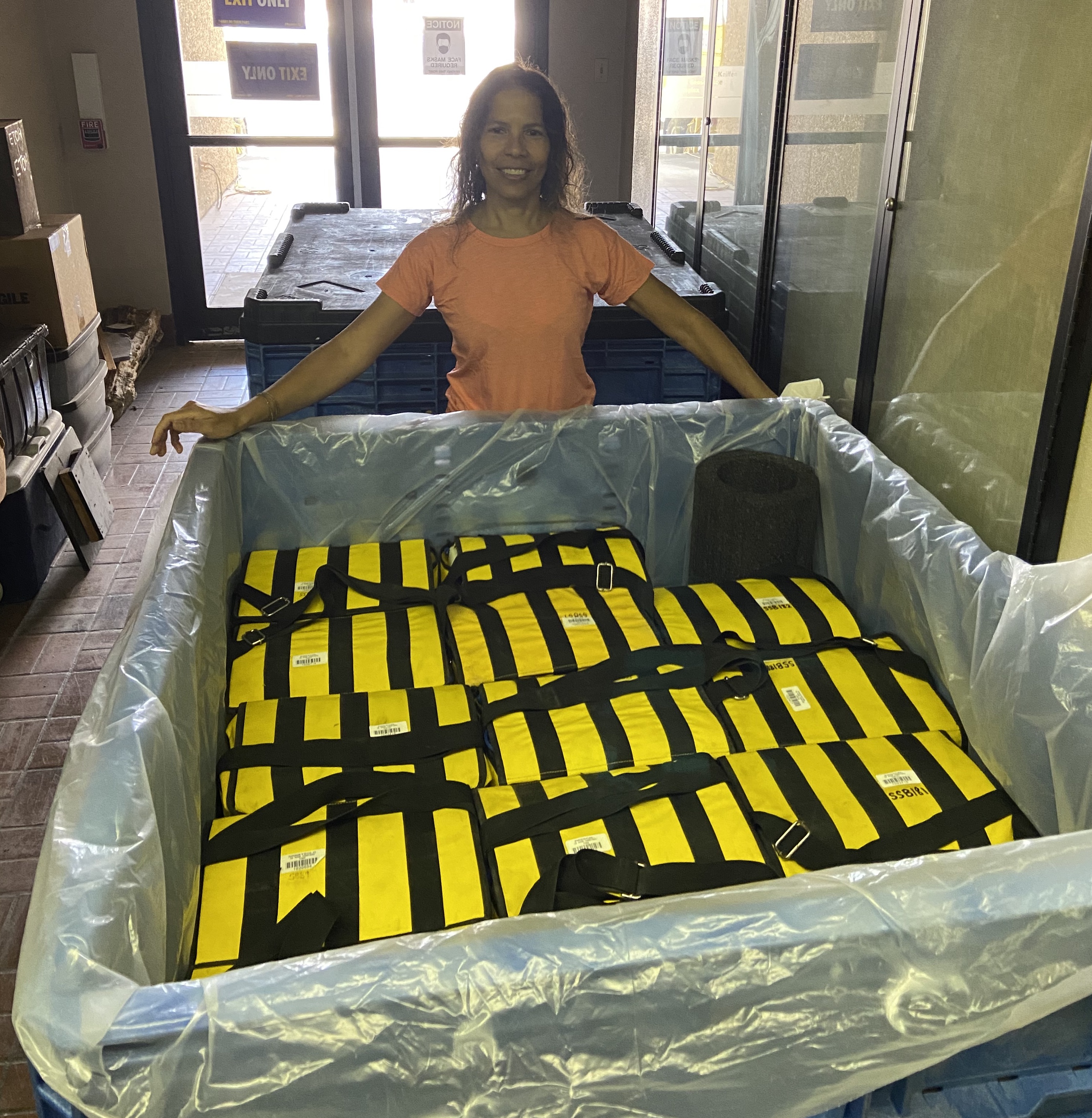
FIG. 5 The full shipment was comprised of two crates weighing 2,572 pounds shipped to LSU and two pallets weighing 680 pounds shipped to ULL.
The SOLAMS Experiment is funded as part of the National Science Foundation (NSF) Geophysics Award 2045983. We are grateful to the people in Southern Louisiana who permitted us to install our instruments. We thank students and professors from TX, MS and LA, and volunteers from the Louisiana Department of Natural Resources involved in deploying the seismometers. We thank the G&G Dept. Chair, Darrell Henry for supporting this project and the IRIS PASSCAL Instrument Center for their assistance in preparing the nodes and working closely with us to facilitate instrument transportation and logistics.
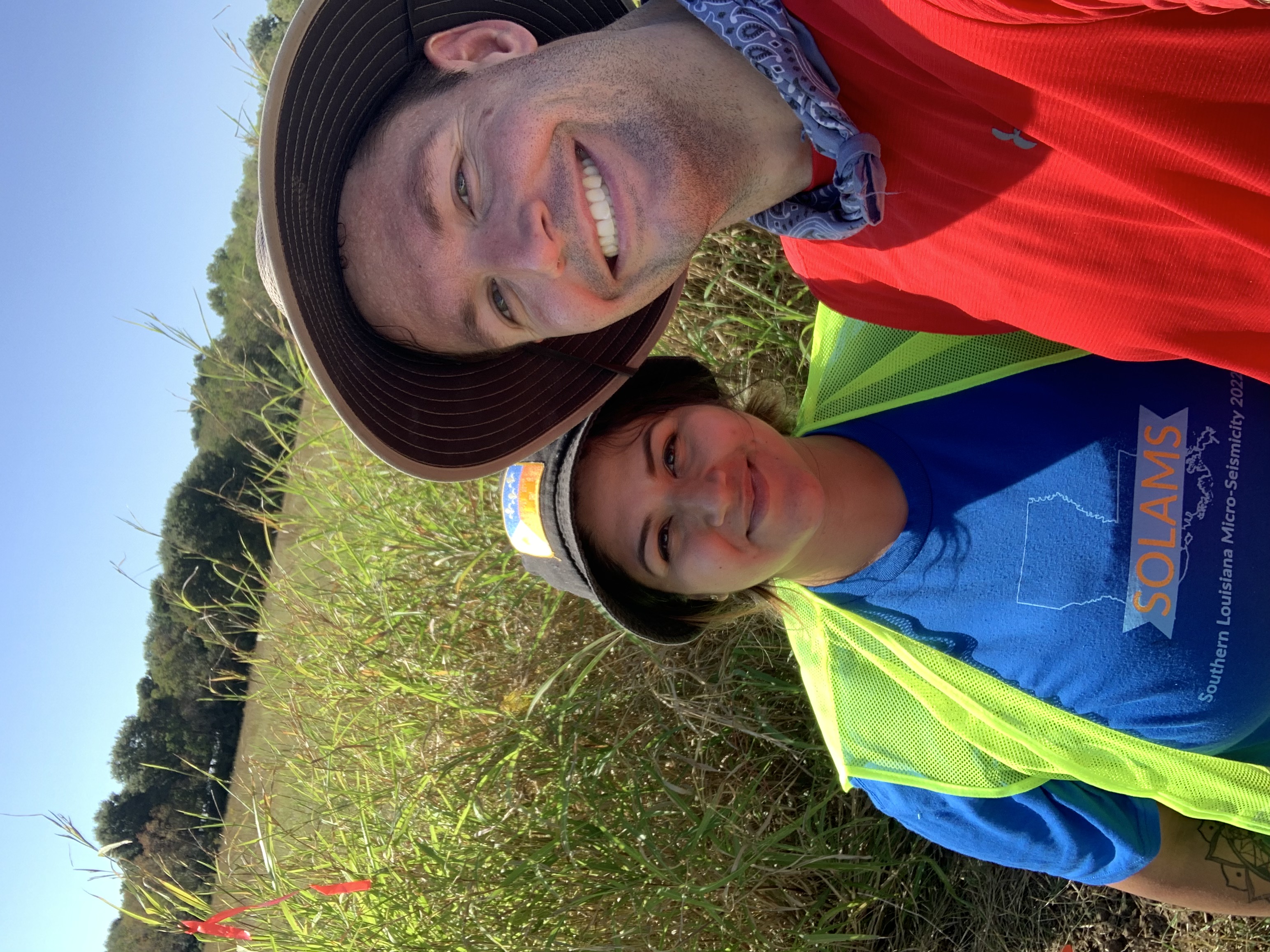
FIG. 8 Samantha and Raphael working on Line 1.
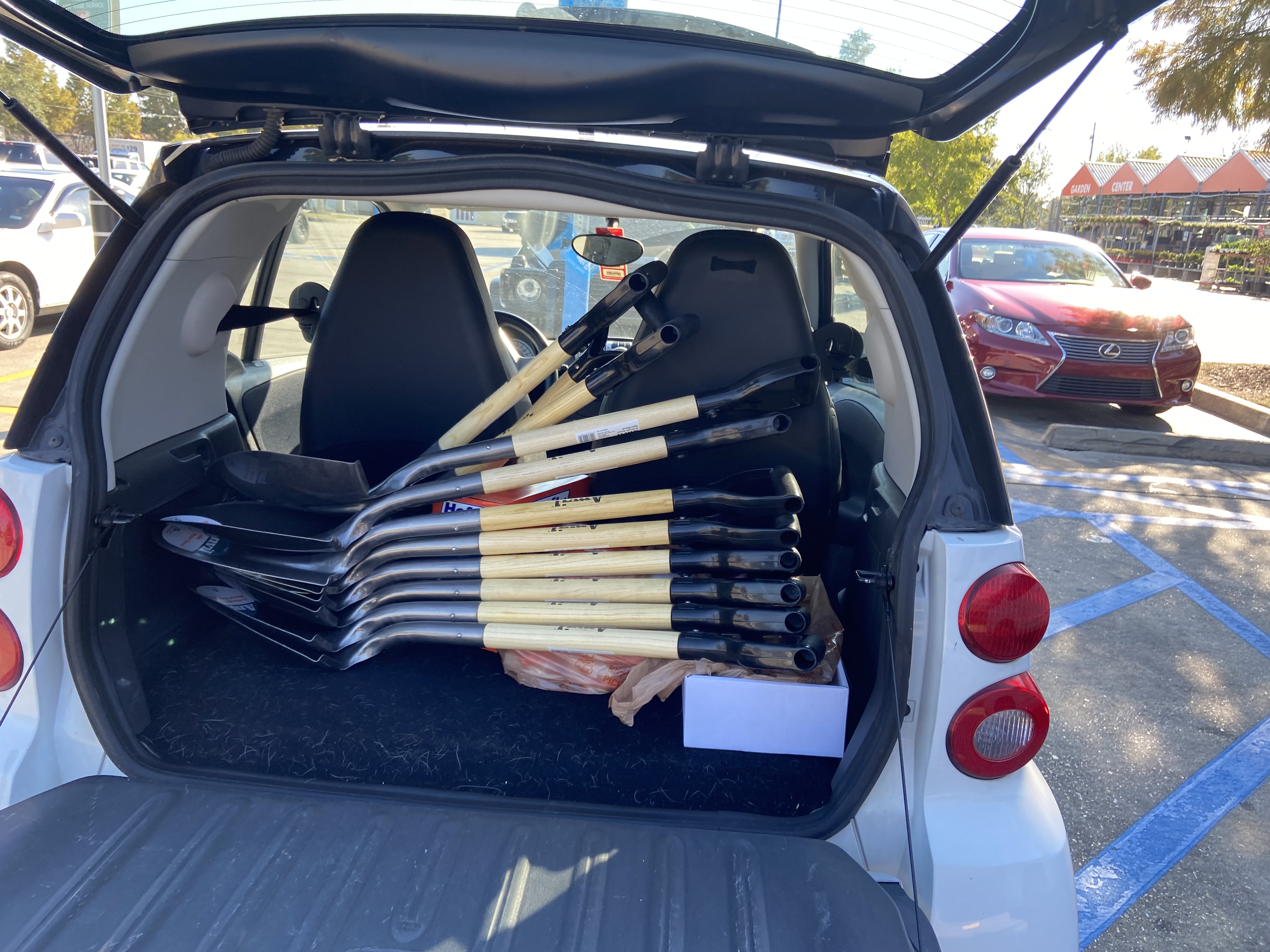
FIG. 9 Just the right size shovels for a Smart car.
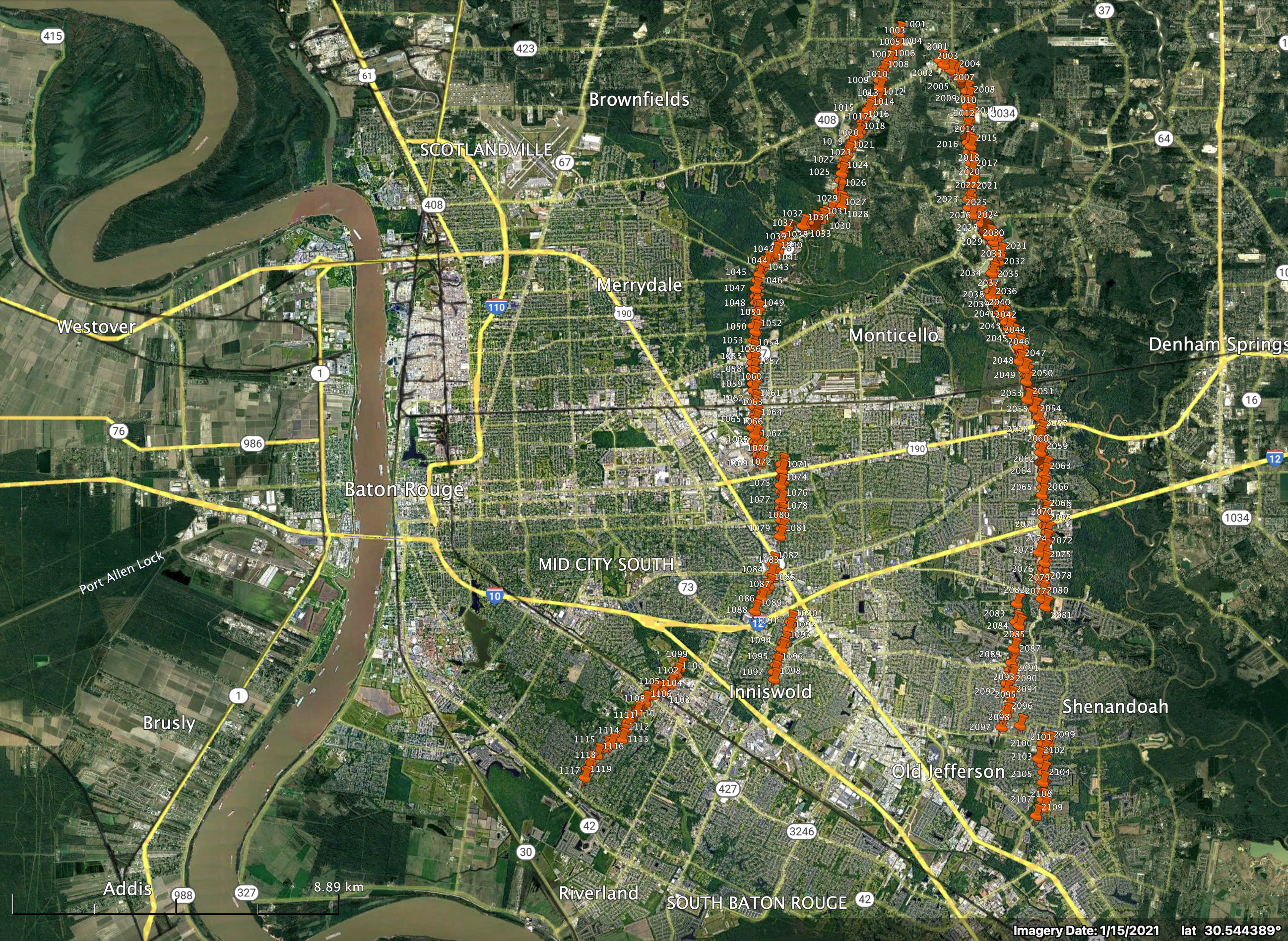
FIG. 11 Map showing our final node array in Baton Rouge, Louisiana.
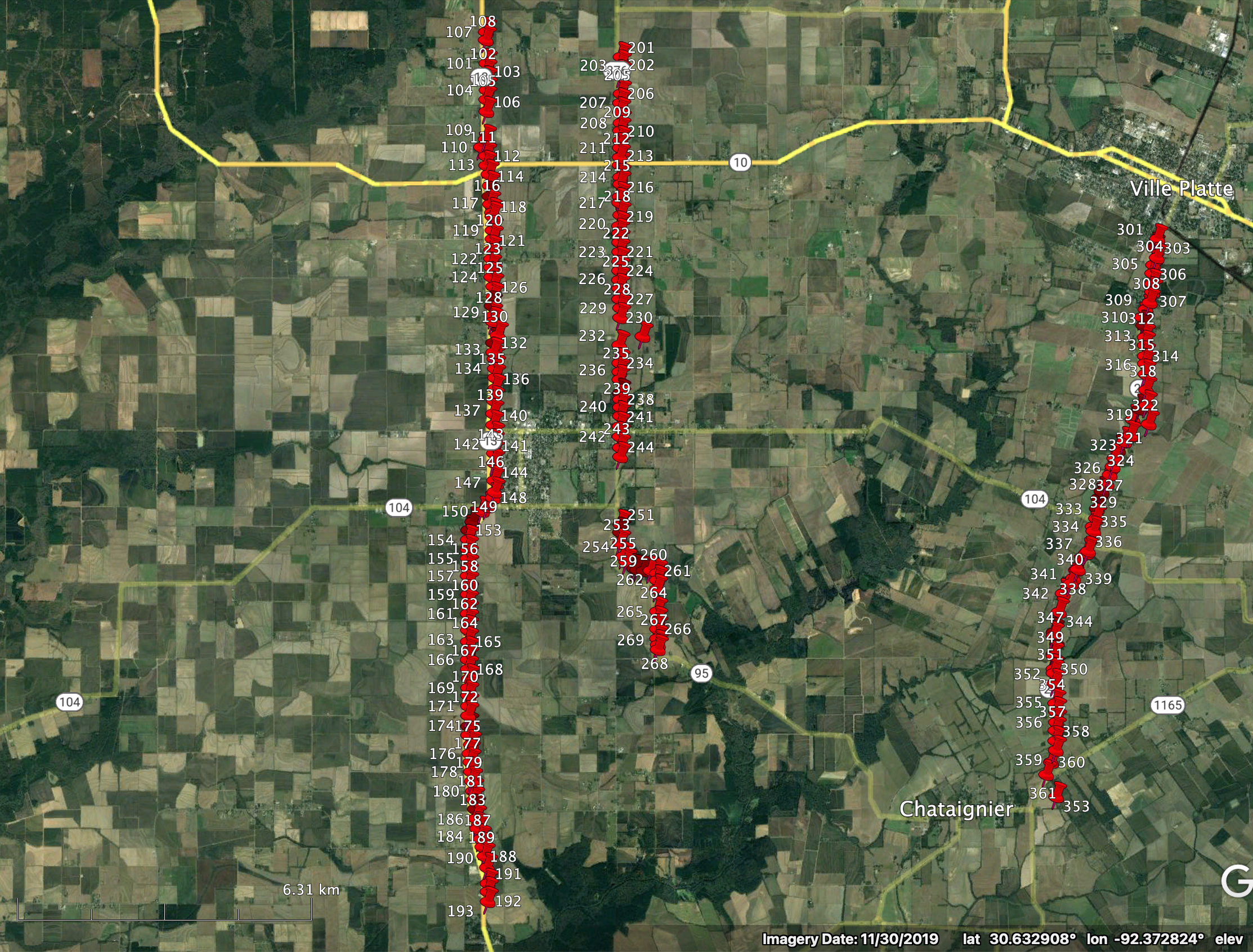
FIG. 12 Map showing our final node array in Mamou, Louisiana.